
New Executive Actions Target Citizenship Rules While Global and National Tensions Rise
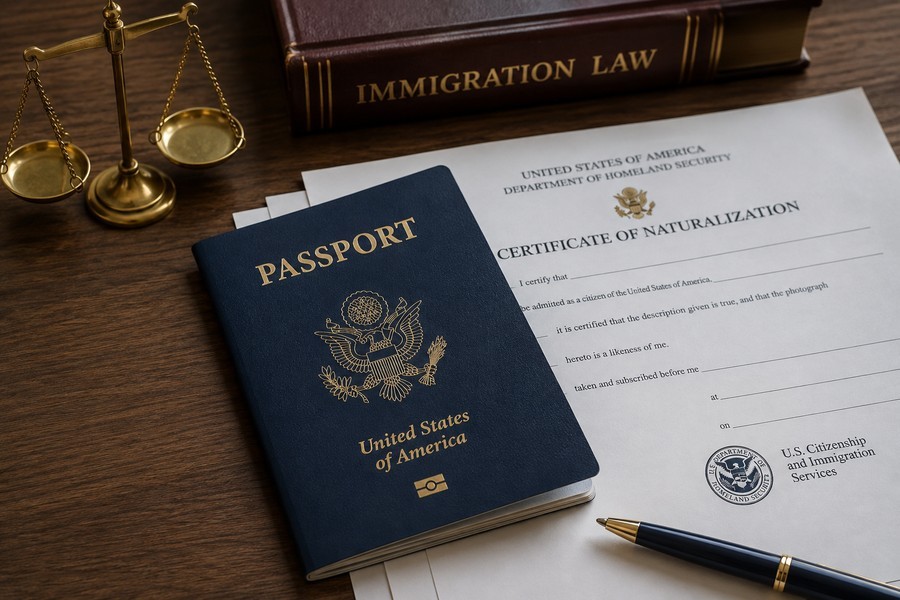
The president has signed two executive orders designed to change who can get automatic citizenship in the United States. This move follows a ruling by the highest court in the land, which confirmed that the Constitution gives automatic citizenship to almost all babies born on American soil. The first new order tries to limit who can get this automatic status. It specifically targets children born to foreign government workers or members of international terrorist organizations. The second order focuses on stopping pregnant foreign nationals from traveling to the country just to have their babies, a practice often called birth tourism.
For years, federal officers have worked to stop businesses that help pregnant travelers hide their condition from border officials. It is hard to know exactly how common this practice is. Data from health agencies and research groups suggest that these births make up only a tiny portion of the roughly 3.6 million babies born in the country each year. Many immigration supporters say the issue is being exaggerated. Just like previous attempts to restrict citizenship, these new orders are expected to face major challenges in court.
Shipping Route Dispute in the Middle East
Lawmakers in Iran are looking at a deal with Oman to open up a crucial shipping lane known as the Strait of Hormuz. Under this plan, ships linked to the United States, Israel, and other nations seen as unfriendly would be banned from using the waterway. This ban would stay in place until Iran is paid for damages caused by war. Regular trading ships passing through the area would have to pay fees up to 7% of what their cargo is worth, and they could face a 20% fine if they do not follow the rules. Iran recently stated it is finishing up this shipping agreement with Oman, which is an ally of the United States. However, American officials disagree with how Iran describes the situation, saying the U.S. military still controls the waterway through a naval blockade. Oman has not made any public statements about the matter.
While there have been public claims about progress in peace talks, observers note that these statements do not match what is actually happening. Despite heavy military pressure from the U.S., Iran is refusing to back down and is making its own demands about the shipping lane. Some experts worry that the U.S. might end up agreeing to terms that are worse than the original agreement, which allowed free travel through the water. Right now, the talks are mostly about reopening the waterway rather than stopping nuclear fuel development, which was the original reason given for the conflict.
Congressional Contempt Vote and a Senator's Return
A Senate committee recently voted to hold a top government doctor in contempt of Congress. The vote followed party lines after the doctor chose not to answer questions during a hearing about how the government handled the recent pandemic. The Department of Justice will now decide whether to bring criminal charges. While these kinds of charges are not very common, two former presidential advisers were previously sent to prison for similar actions during the current presidential administration.
In other government news, a longtime senator has left a rehabilitation center after spending more than 50 days in the hospital. The 84-year-old lawmaker was hospitalized after a fall and had to stay longer because he got pneumonia. His long absence led to many rumors and questions about whether he would stay in office. His current term ends in early January, and the campaign to replace him is already active, with a local representative facing a former state representative in the upcoming elections.
A Major Milestone in Global Health
Cambodia has become the first nation in its region to meet a major international goal for treating and diagnosing HIV. Years ago, a global health group set a special target for countries to reach by the end of the decade. This target is known as the 95-95-95 goal. To reach it, a country must ensure that:
- 95% of people living with the virus know they have it.
- 95% of those diagnosed are taking proper medicine.
- 95% of people taking the medicine have the virus reduced to such low levels that they cannot pass it to others.
Only 11 countries in the whole world have met this high standard. Cambodia achieved this by using several key strategies:
- In the late 1990s, the nation started a campaign to promote protection, which led to a massive increase in safety practices among high-risk workers.
- In the early 2000s, the government made life-saving medicine free for citizens after receiving an $11.2 million international health grant.
- Early health programs focused directly on high-risk groups like the military, police, and factory workers. As overall rates went down, health workers shifted their focus to harder-to-reach groups.
Weekend Entertainment Highlights
If you are looking for things to watch, read, or listen to, here are some recent releases to consider:
- In Movies: A new drama features a story about an artist who enters a complicated, unconventional relationship with her assistant, which quickly causes his life to fall apart.
- On Television: A new 10-part comedy spin-off on a popular streaming service focuses on the supporting characters of a popular sitcom, including a comic book shop owner, his girlfriend, and their quirky friends.
- In Books: Hot weather makes it a perfect time to read indoors. This month's new books feature stories about animals, movie stars, and small-town struggles.
- In Music: New albums have hit the shelves, featuring fresh releases from rising rhythm and blues artists and electronic music duos.
- In Gaming: A famous online raccoon known for his unique shape due to a back condition is now the star of a new arcade-style video game.
Quick News to Keep in Mind
First, a federal health agency has recalled jalapeños after hundreds of people across several states got sick with a bacterial infection. Second, in environmental news, wild elephants in a Sri Lankan nature park are facing conflicts with local humans as their natural habitats are turned into farms. Finally, researchers in Germany have found that a certain type of snail can change the thickness of its slime. This discovery could help engineers create new kinds of medical glues to heal wounds or deliver medicine safely inside the body.