
Lawmakers Prepare for Crucial Vote on Former Health Leader as Political Debates Intensify
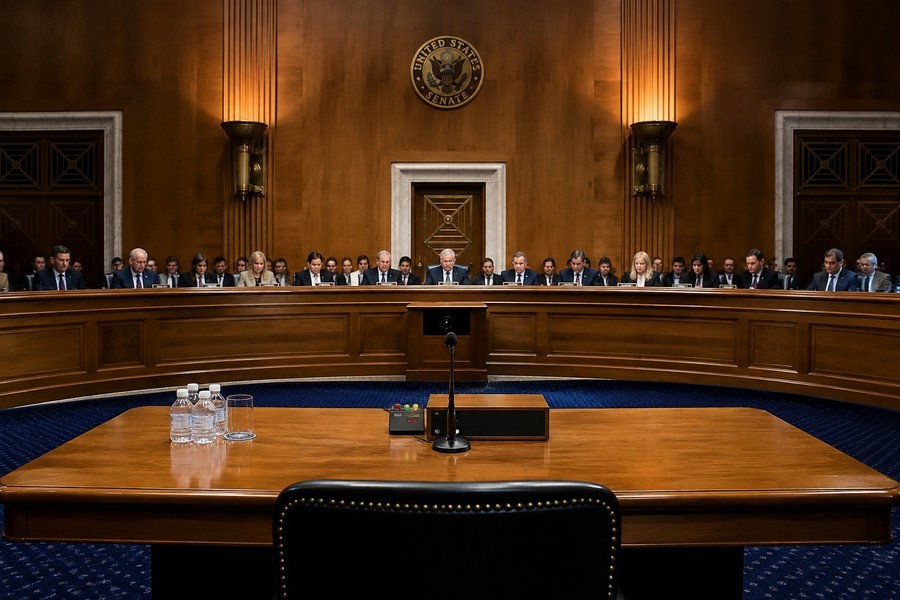
A major decision is unfolding in Washington as a Senate committee prepares to vote on whether to hold a former top health official in contempt of Congress. The dispute centers on his refusal to answer questions during a recent hearing about how the country handled the global health crisis.
The Clash Over the Contempt Vote
The homeland security committee is deciding the fate of the former public health director, who served under multiple presidents. The committee leader, a senator from Kentucky, is pushing for the contempt charge. He argues that the former official cannot simply ignore questions from lawmakers, especially after receiving a broad presidential pardon. The senator stated that the vote is not about past opinions or policies, but about whether a witness can ignore a direct order from Congress without facing any consequences.
On the other side, supporters are defending the doctor. A senator from New Hampshire argued that the hearings are not a fair review of what happened during the pandemic. Instead, she described the proceedings as a targeted effort to blame a single public servant for everything that went wrong. She also defended his decision to remain silent, saying he had no choice but to protect himself from what she called a political trap.
The Legal Debate Over Silence and Pardons
At the heart of this battle is a complex legal question about constitutional rights. Before leaving office, the previous president granted the health official a full pardon. However, during his questioning by lawmakers, the doctor chose to use his constitutional right to remain silent, refusing to answer questions 111 times.
Legal experts are divided on whether a pardoned person can still use this right:
- One point of view is that once a person is pardoned for federal crimes, they can no longer refuse to testify because they are safe from federal prosecution. If they still refuse, Congress can hold them in contempt, which could lead to fines or even prison time.
- Another point of view is that the right to remain silent still applies if there is any chance the person could be prosecuted by individual states, rather than the federal government.
Additionally, any statements made after the transition of presidential power could still lead to charges of lying under oath, which is why the doctor chose to stay silent. To officially hold him in contempt, the committee leader will need to secure 60 votes in the full Senate before the matter can be sent to the Department of Justice.
Private Notes and Public Backlash
The tension has been building for a long time. Recently, the committee leader released personal notes written by the doctor during his time in office. These private writings revealed his deep frustration with the presidential administration at the time, describing the former president as disorganized and difficult to work with. Furthermore, the health department recently handed over the doctor's official phone to the Senate panel.
The scientific community has strongly objected to these actions. A group of 155 scientists signed a letter calling for an end to the harassment of public health experts. A senator from Michigan warned that treating scientists this way will scare talented experts away from serving the public in the future.
West Coast Political Fundraising Revealed
Meanwhile, details have emerged about how wealthy political donors are raising money on the West Coast. Emails show that a 33-year-old defense technology founder has become a key player in raising money for political campaigns. He recently helped organize a high-dollar dinner designed to help keep control of the Senate.
The event allowed donors who contributed $50,000 to sit at the main table and speak directly with powerful lawmakers, including the Senate majority leader and a candidate running for office in Michigan. People active in political fundraising now refer to this young businessman as one of the most influential fundraisers in California, noting that anyone looking to raise campaign money in the state must work with him.
Demands for Action on International Violence
In another development, a group of 19 Democratic lawmakers has sent a formal letter to top government officials, including the secretary of state, the treasury secretary, and the acting attorney general. The lawmakers are deeply concerned about rising violence by settlers in the West Bank.
They argue that the current administration's actions have allowed violent groups to act without fear of punishment, hurting both local residents and American citizens. The letter demands two main actions:
- Bringing back sanctions against extremist groups in the region.
- Starting independent investigations into the deaths of nine American citizens who have been killed in the area over the last few years.
The lawmakers point out that despite promises to prevent land takeovers, violent groups are rapidly expanding their control over civilian areas.
Events at the White House
Finally, the president is spending the day in the nation's capital attending several private meetings. Later in the evening, he is scheduled to host a celebration in the Rose Garden to honor the athletes of Team USA.