
Rare Bacterial Illness Linked to Ticks Detected in New York
Local health monitors on Long Island have identified three suspected cases of a rare but serious bacterial infection known as rabbit fever. This condition, which is scientifically called tularemia, is a rare illness that can cause severe symptoms if left untreated. While the disease is not common, these new cases serve as an important reminder for residents to protect themselves when spending time outdoors.
The illness typically spreads to humans through the bites of infected ticks or flies. It can also be passed to humans who handle infected animals. Understanding how the disease spreads and knowing how to prevent it can help keep you and your family safe during outdoor activities.
What is Rabbit Fever?
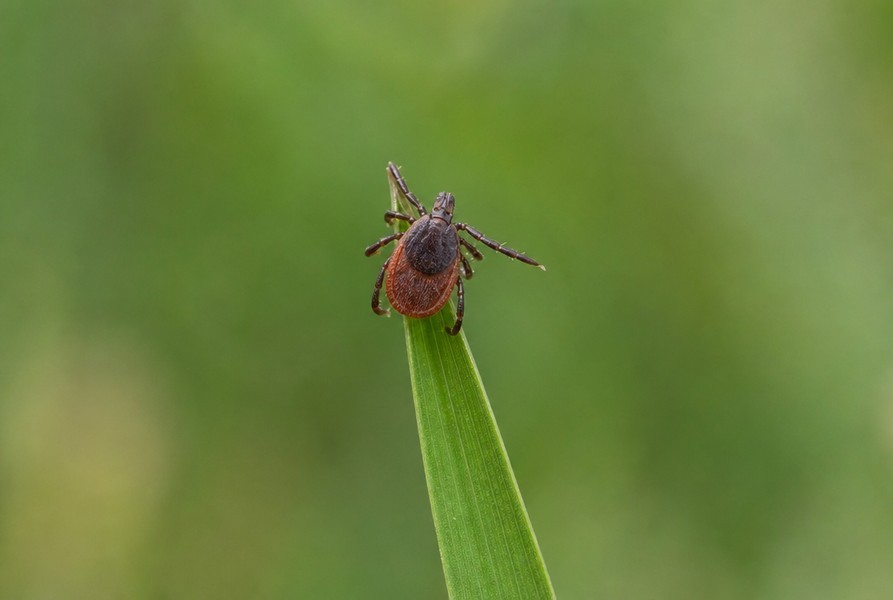
Rabbit fever is an infection caused by a specific type of bacteria. It gets its common name because it often infects wild rodents and rabbits. However, humans can catch it in several different ways. The most common way people get sick is through the bite of an infected tick, particularly the Lone Star tick or the American dog tick. Bites from infected deer flies can also transmit the bacteria.
There are other ways to contract the illness besides insect bites. These include:
- Direct contact: Touching or skinning an infected animal, especially rabbits.
- Contaminated water: Drinking water that has been contaminated with the bacteria.
- Inhaling dust: Breathing in dust or agricultural debris that contains the bacteria, which can happen during landscaping or farming.
- Undercooked meat: Eating meat from an infected wild animal that has not been cooked thoroughly.
It is important to note that rabbit fever does not spread from person to person. You cannot catch this illness simply by being near someone who has it.
Tracking the Numbers
This illness is generally rare. Nationally, fewer than 200 cases are typically reported each year, though overall numbers have been slowly rising. The disease is most common during the warmer months of late spring and summer, when people spend more time outdoors and insects are most active.
In the local area where the recent suspected cases were found, the illness remains highly unusual. Over the last few years, only a handful of cases have been recorded in the region, with just one to four cases popping up annually.
Symptoms and Medical Treatment
If a person is infected, symptoms usually start to appear within three to five days, though it can sometimes take up to three weeks for signs to show up. The symptoms can vary depending on how the bacteria entered the body, but they often include:
- A high fever and chills
- Swollen and painful lymph glands
- Headaches and muscle aches
- Extreme tiredness and fatigue
- A large, painful open sore or ulcer at the site of the insect bite
If the infection is not treated, the bacteria can enter the bloodstream. This can lead to a highly dangerous and life-threatening condition called sepsis. Fortunately, rabbit fever can be successfully treated with antibiotics. Common medications used to clear the infection include streptomycin, gentamicin, and amikacin. While a vaccine was once used for laboratory workers who handle the bacteria, it is currently under official review and is not available to the general public.
How to Avoid Tick Bites
Because a mild winter can lead to a much larger insect population, the risk of encountering ticks may be higher than usual. Preventing insect bites is the most effective way to protect yourself from rabbit fever. If you plan to spend time outdoors, especially in wooded or grassy areas, keep these safety tips in mind:
- Dress appropriately: Wear long-sleeved shirts, long pants, and closed-toe shoes. Tuck your pants into your socks to keep ticks from crawling up your legs.
- Choose the right colors: Wear light-colored clothing. This makes it much easier to spot dark ticks crawling on you before they reach your skin.
- Stay on the path: When hiking, walk in the center of cleared trails. Avoid walking through deep brush, high grass, or dense woods.
- Avoid sitting on the ground: Do not sit directly on the soil, fallen logs, or stone walls, as these are common hiding spots for ticks.
- Use insect repellent: Apply an appropriate repellent to your skin and clothing, and make sure to wash it off thoroughly once you return indoors.
- Handle wild animals with care: If you hunt or handle wild game, always wear protective gloves, and make sure all wild meat is cooked completely through before eating.
What to Do if You Find a Tick
After spending time outside, always perform a thorough, full-body check on yourself, your children, and your pets. If you do find a tick attached to your skin, follow these steps to remove it safely:
Use a pair of pointed tweezers to grasp the tick as close to your skin's surface as possible. Pull upward with steady, even pressure. Do not twist or jerk the tick, as this can cause the mouthparts to break off and remain in the skin. Once the tick is removed, place it in a small container filled with rubbing alcohol to kill it. Clean the bite area thoroughly with rubbing alcohol or hydrogen peroxide.
After removing a tick, watch the bite area closely for the next month. If you develop a fever, a rash, or any other unusual symptoms, contact a healthcare professional immediately.