
One dentist said going to bed without brushing is the worst thing you can do to your mouth, while another admitted that the thought of chewing ice gives her “shivers.” And those are only two of the surprisingly brutal habits dentists avoid to protect their teeth.
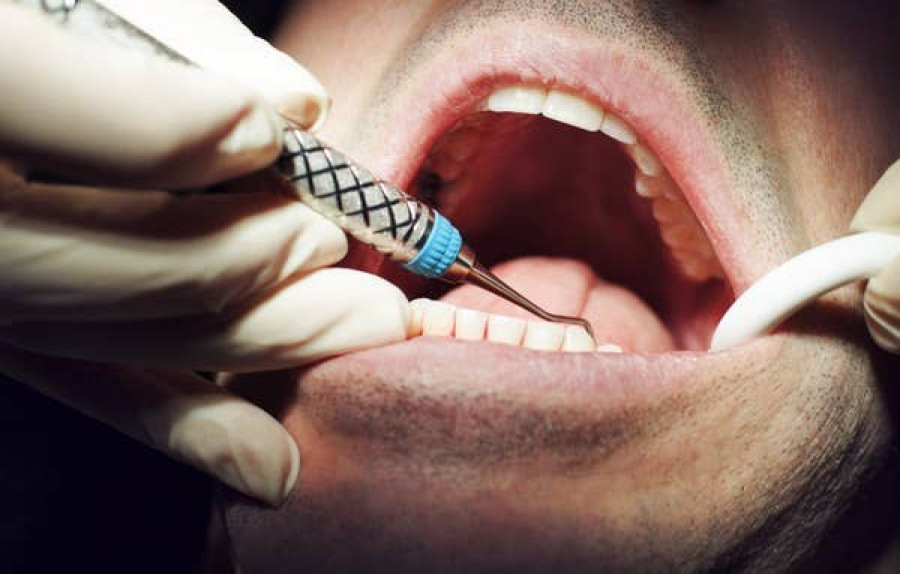
Most of us know the basic dental routine: brush, floss, and show up for checkups instead of treating the dentist’s office like a haunted house. Yet knowing what to do and actually doing it are very different things. Nearly 50% of people over 30 show signs of gum disease, and 26% of adults have untreated cavities.
Some of the damage comes from obvious choices, like smoking or skipping dental appointments. But other habits look completely harmless in the moment. That little piece of ice in your drink? The bottle cap you pop off with your teeth? The “healthy” toothbrush with bristles stiff enough to scrub a barbecue grill?
Dentists say these nine habits can create real trouble. Here is what they avoid themselves.
1. The Ice-Chewing Trap
Dr. Natalie Peterson, a clinical associate professor of dentistry at the University of Minnesota, immediately thought of one habit: chewing ice.
People often crunch the ice left in their drinks without giving it a second thought. It feels innocent, even refreshing. But ice is hard, and it is also extremely cold, which creates a nasty combination for your teeth. The repeated pressure can crack or break a tooth, and people with fillings may be especially vulnerable.
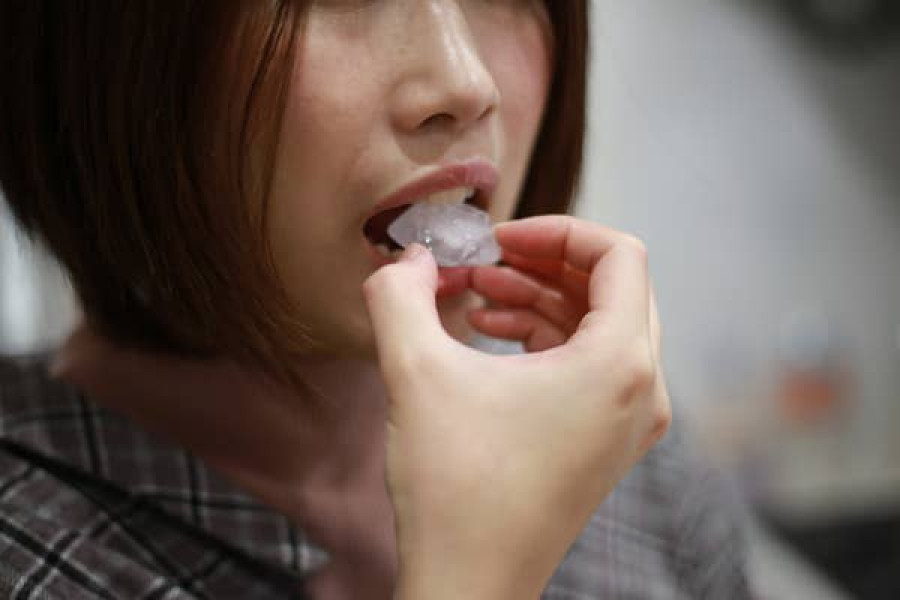
“The thought of chewing on ice just gives me shivers,” Peterson said. Honestly, if a dentist reacts to a snack with the same dread most people reserve for a dental drill, that is probably a warning worth hearing.

2. Nail-Biting Is Not Free
Dr. Jennifer Soncini, a clinical associate professor of pediatric dentistry at Boston University, warned against biting your nails. It is not just a nervous habit that makes your hands look rough. Your teeth are being forced to repeatedly bite down on something hard and awkward.

Over time, nail-biting can wear down the enamel along the edges of your teeth. Enamel is the tough outer layer that helps defend against cavities, erosion, infection, and sensitivity to hot, cold, and sweet foods.
So every anxious little bite may be slowly sanding away your teeth’s protective armor. Your fingernails are not secretly dental floss. They are tiny pieces of keratin demanding far too much from your enamel.
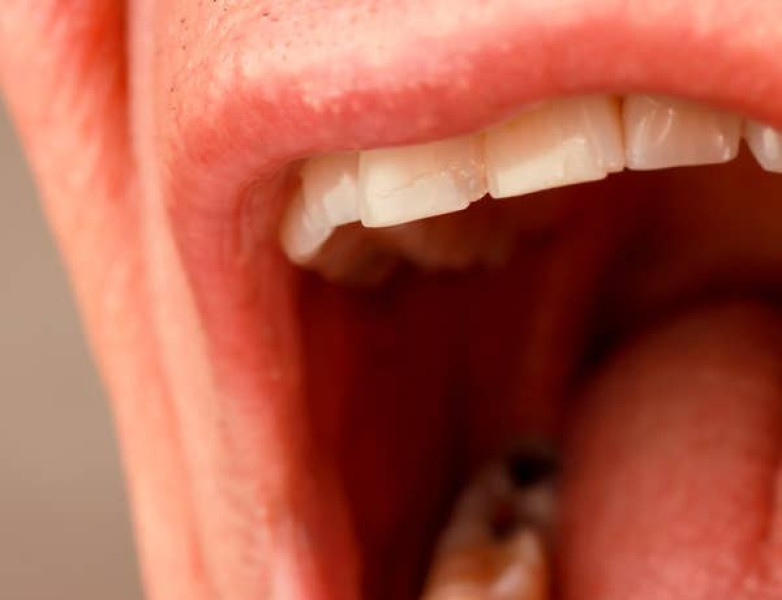
3. Your Teeth Are Not Bottle Openers
Using your teeth to tear open a package or pop the top off a bottle can feel like a convenient shortcut. It takes one second, requires no extra tool, and makes you feel briefly resourceful.
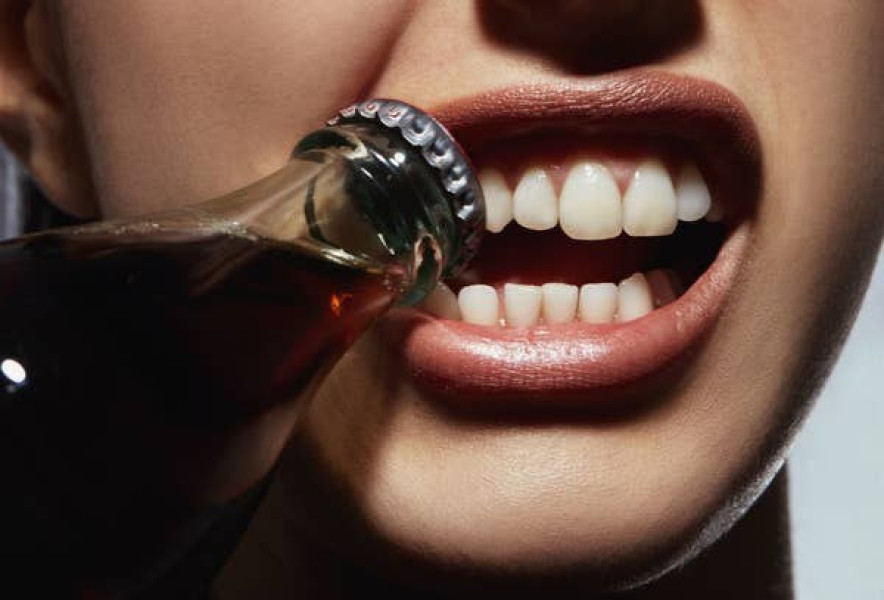
Dr. Jarrett Manning, a comprehensive cosmetic and implant dentist and owner of JLM Dental Studios in Georgia, says the shortcut is not worth it. Teeth are strong and durable, but they were not designed to open bottle tops, rip packages, or chew hard objects that have nothing to do with food.
That unnecessary stress can lead to pain, cracks, broken teeth, root canals, or even an extraction. In other words, saving ten seconds by using your teeth could eventually earn you a long appointment, a large bill, and a very personal relationship with a dental chair.
4. Gummy Candy Is A Sticky Little Menace
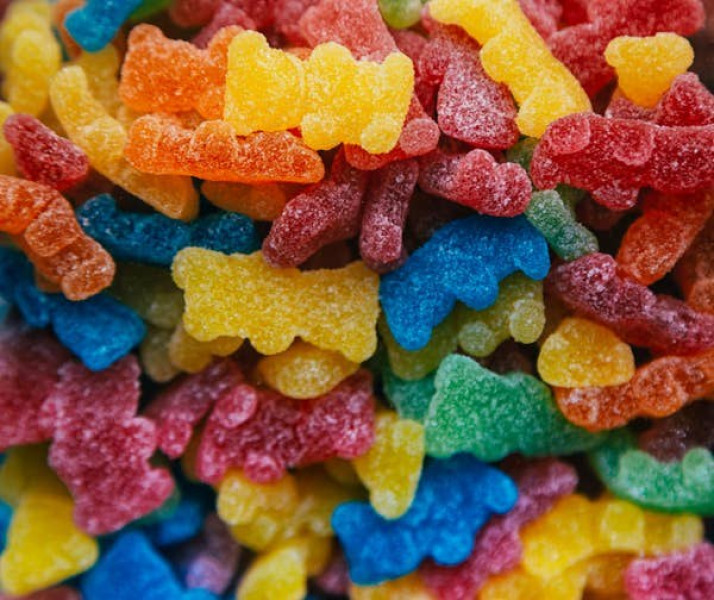
Gummy worms, gummy bears, and peach rings are popular because they are chewy, sweet, and somehow disappear before you realize you have eaten half a bag. Unfortunately, they also cling to the grooves of your teeth and squeeze into the spaces between them.
Soncini explained that this sticky residue can contribute to cavities and may even pull out fillings. The candy does not simply vanish when you swallow it. Pieces can hang around in exactly the places your toothbrush has trouble reaching.

Peterson has a particular problem with sour gummies, which she calls “the trifecta of bad.” They are sticky, packed with sugar, and highly acidic, which is what gives them that sour kick. So the candy attacks from three directions: it clings, feeds bacteria, and exposes your teeth to acid. That is a lot of drama for something shaped like a peach ring.
5. Too Much Alcohol Dries Out Your Defense
Excessive alcohol use is already linked to concerns involving liver health, cancer risk, and sleep. Manning pointed out that teeth and gums do not exactly celebrate heavy drinking either.
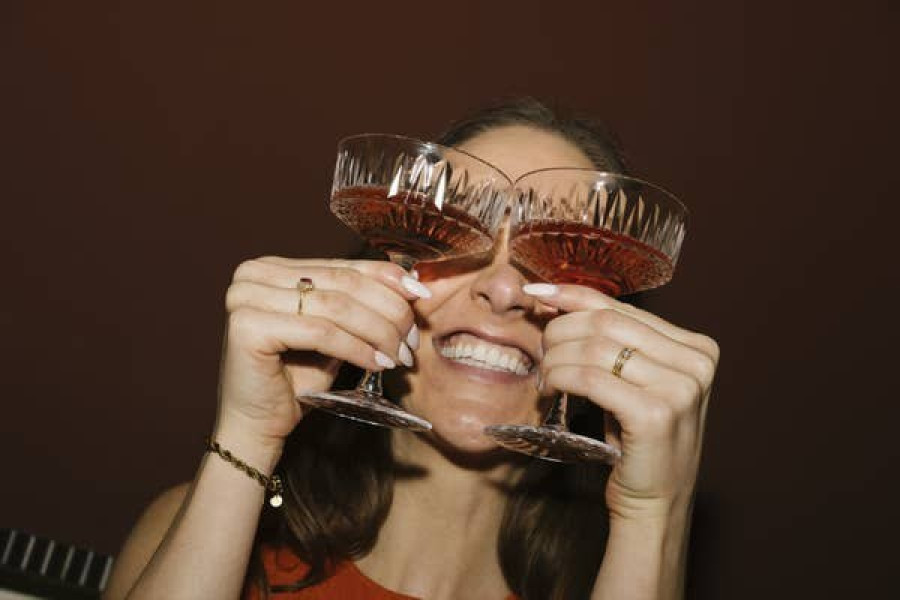
Alcohol can cause dry mouth and reduce saliva production. Saliva is not just there to make conversation slightly easier. It helps clean the mouth, protect the teeth, and neutralize acids. When saliva drops, the mouth loses one of its natural defense systems, which can increase the risk of cavities.
A dry mouth is not merely uncomfortable; it can leave your teeth with fewer defenses against the daily bacterial attack. Your mouth may feel like a desert, while the bacteria are having a very productive afternoon.
6. Hard Toothbrush Bristles Can Backfire
Some people seem to believe a toothbrush works better if its bristles are stiff enough to remove paint. Peterson strongly disagrees.
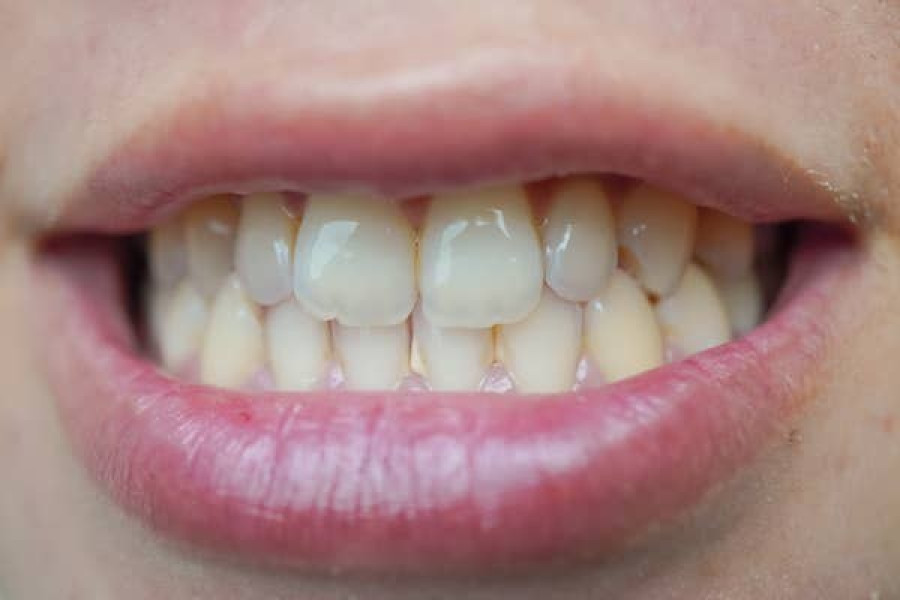
She recommends soft-bristled toothbrushes because medium and hard bristles can be abrasive against the gums. That irritation may contribute to gum recession, and once the gums recede, repairing the damage can be difficult. Those harder bristles can also scrape away at the teeth themselves.
Brushing harder does not necessarily mean brushing better. If your gums feel attacked every morning and night, your toothbrush may be acting less like a cleaning tool and more like a tiny wire brush.
7. Smoking Is A Hard No
Manning said he would never smoke or use tobacco, and his reasons go far beyond yellow teeth.
Smoking can contribute to serious overall health problems as well as severe oral health issues. It can discolor teeth and, in extreme cases, lead to oral cancer. That is a frightening list of consequences for something that often begins with the idea of “just trying it.”
Quitting can be extremely difficult, but help and resources are available. And if you do not smoke, the dental advice is wonderfully simple: do not start. Your future smile, gums, and entire body will appreciate the decision.
8. Skipping Nighttime Brushing Is The Worst Offense
Skipping brushing and flossing is one of the fastest ways to give gum disease and cavities more room to cause trouble. Manning called daily flossing, together with brushing, a key part of fighting gum disease.
Soncini was especially emphatic about brushing before bed. “Never ever, ever, ever go to sleep without brushing your teeth,” she said.
She explained that you might get through an entire day without brushing, but failing to clean your teeth before sleep is the worst choice for your mouth. During the night, bacteria can grow while leftover food and sugar sit on your teeth for hours.
So if you are exhausted and considering whether to skip brushing, remember: your bed may be calling, but the bacteria are already celebrating.
9. Dental Checkups Are Not Optional Forever
Manning also said he would never ignore regular dental checkups. Routine visits help maintain oral health and allow dentists to catch problems before they become painful, complicated, and expensive.
There is no single schedule that works for everyone. Peterson explained that appointments should be based on a person’s dental history, risk factors, and overall oral health. Some healthy people may need to go once a year. Many people benefit from visiting twice a year. Others with risk factors or existing dental problems may need appointments three to four times annually.
The important part is talking with your dentist and dental hygienist instead of guessing. A tiny cavity caught early is one problem. A neglected cavity that has been quietly expanding while you avoid the office is an entirely different adventure.
Which of these habits are you guilty of: chewing ice, biting your nails, opening packages with your teeth, or skipping that nighttime brush? Would you change your routine after hearing what dentists refuse to do?
Most of us know the basic dental routine: brush, floss, and show up for checkups instead of treating the dentist’s office like a haunted house. Yet knowing what to do and actually doing it are very different things. Nearly 50% of people over 30 show signs of gum disease, and 26% of adults have untreated cavities.
Some of the damage comes from obvious choices, like smoking or skipping dental appointments. But other habits look completely harmless in the moment. That little piece of ice in your drink? The bottle cap you pop off with your teeth? The “healthy” toothbrush with bristles stiff enough to scrub a barbecue grill?
Dentists say these nine habits can create real trouble. Here is what they avoid themselves.
1. The Ice-Chewing Trap
Dr. Natalie Peterson, a clinical associate professor of dentistry at the University of Minnesota, immediately thought of one habit: chewing ice.
People often crunch the ice left in their drinks without giving it a second thought. It feels innocent, even refreshing. But ice is hard, and it is also extremely cold, which creates a nasty combination for your teeth. The repeated pressure can crack or break a tooth, and people with fillings may be especially vulnerable.
“The thought of chewing on ice just gives me shivers,” Peterson said. Honestly, if a dentist reacts to a snack with the same dread most people reserve for a dental drill, that is probably a warning worth hearing.
2. Nail-Biting Is Not Free
Dr. Jennifer Soncini, a clinical associate professor of pediatric dentistry at Boston University, warned against biting your nails. It is not just a nervous habit that makes your hands look rough. Your teeth are being forced to repeatedly bite down on something hard and awkward.
Over time, nail-biting can wear down the enamel along the edges of your teeth. Enamel is the tough outer layer that helps defend against cavities, erosion, infection, and sensitivity to hot, cold, and sweet foods.
So every anxious little bite may be slowly sanding away your teeth’s protective armor. Your fingernails are not secretly dental floss. They are tiny pieces of keratin demanding far too much from your enamel.
3. Your Teeth Are Not Bottle Openers
Using your teeth to tear open a package or pop the top off a bottle can feel like a convenient shortcut. It takes one second, requires no extra tool, and makes you feel briefly resourceful.
Dr. Jarrett Manning, a comprehensive cosmetic and implant dentist and owner of JLM Dental Studios in Georgia, says the shortcut is not worth it. Teeth are strong and durable, but they were not designed to open bottle tops, rip packages, or chew hard objects that have nothing to do with food.
That unnecessary stress can lead to pain, cracks, broken teeth, root canals, or even an extraction. In other words, saving ten seconds by using your teeth could eventually earn you a long appointment, a large bill, and a very personal relationship with a dental chair.
4. Gummy Candy Is A Sticky Little Menace
Gummy worms, gummy bears, and peach rings are popular because they are chewy, sweet, and somehow disappear before you realize you have eaten half a bag. Unfortunately, they also cling to the grooves of your teeth and squeeze into the spaces between them.
Soncini explained that this sticky residue can contribute to cavities and may even pull out fillings. The candy does not simply vanish when you swallow it. Pieces can hang around in exactly the places your toothbrush has trouble reaching.
Peterson has a particular problem with sour gummies, which she calls “the trifecta of bad.” They are sticky, packed with sugar, and highly acidic, which is what gives them that sour kick. So the candy attacks from three directions: it clings, feeds bacteria, and exposes your teeth to acid. That is a lot of drama for something shaped like a peach ring.
5. Too Much Alcohol Dries Out Your Defense
Excessive alcohol use is already linked to concerns involving liver health, cancer risk, and sleep. Manning pointed out that teeth and gums do not exactly celebrate heavy drinking either.
Alcohol can cause dry mouth and reduce saliva production. Saliva is not just there to make conversation slightly easier. It helps clean the mouth, protect the teeth, and neutralize acids. When saliva drops, the mouth loses one of its natural defense systems, which can increase the risk of cavities.
A dry mouth is not merely uncomfortable; it can leave your teeth with fewer defenses against the daily bacterial attack. Your mouth may feel like a desert, while the bacteria are having a very productive afternoon.
6. Hard Toothbrush Bristles Can Backfire
Some people seem to believe a toothbrush works better if its bristles are stiff enough to remove paint. Peterson strongly disagrees.
She recommends soft-bristled toothbrushes because medium and hard bristles can be abrasive against the gums. That irritation may contribute to gum recession, and once the gums recede, repairing the damage can be difficult. Those harder bristles can also scrape away at the teeth themselves.
Brushing harder does not necessarily mean brushing better. If your gums feel attacked every morning and night, your toothbrush may be acting less like a cleaning tool and more like a tiny wire brush.
7. Smoking Is A Hard No
Manning said he would never smoke or use tobacco, and his reasons go far beyond yellow teeth.
Smoking can contribute to serious overall health problems as well as severe oral health issues. It can discolor teeth and, in extreme cases, lead to oral cancer. That is a frightening list of consequences for something that often begins with the idea of “just trying it.”
Quitting can be extremely difficult, but help and resources are available. And if you do not smoke, the dental advice is wonderfully simple: do not start. Your future smile, gums, and entire body will appreciate the decision.
8. Skipping Nighttime Brushing Is The Worst Offense
Skipping brushing and flossing is one of the fastest ways to give gum disease and cavities more room to cause trouble. Manning called daily flossing, together with brushing, a key part of fighting gum disease.
Soncini was especially emphatic about brushing before bed. “Never ever, ever, ever go to sleep without brushing your teeth,” she said.
She explained that you might get through an entire day without brushing, but failing to clean your teeth before sleep is the worst choice for your mouth. During the night, bacteria can grow while leftover food and sugar sit on your teeth for hours.
So if you are exhausted and considering whether to skip brushing, remember: your bed may be calling, but the bacteria are already celebrating.
9. Dental Checkups Are Not Optional Forever
Manning also said he would never ignore regular dental checkups. Routine visits help maintain oral health and allow dentists to catch problems before they become painful, complicated, and expensive.
There is no single schedule that works for everyone. Peterson explained that appointments should be based on a person’s dental history, risk factors, and overall oral health. Some healthy people may need to go once a year. Many people benefit from visiting twice a year. Others with risk factors or existing dental problems may need appointments three to four times annually.
The important part is talking with your dentist and dental hygienist instead of guessing. A tiny cavity caught early is one problem. A neglected cavity that has been quietly expanding while you avoid the office is an entirely different adventure.
Which of these habits are you guilty of: chewing ice, biting your nails, opening packages with your teeth, or skipping that nighttime brush? Would you change your routine after hearing what dentists refuse to do?