
After living in Thailand for a year, one American returned home, looked at the food, and thought it was basically the culinary version of a disaster movie. Another came back from Europe and realized Americans had somehow turned every public space into a shouting competition.
That is the strange thing about leaving the United States: you may miss home terribly, then return and immediately wonder who approved the giant portions, the endless driving, the 20% tip, and the Bluetooth speaker blasting on public transit. These Americans lived abroad, came back, and discovered that home can feel wildly unfamiliar.
The Grocery Store Panic
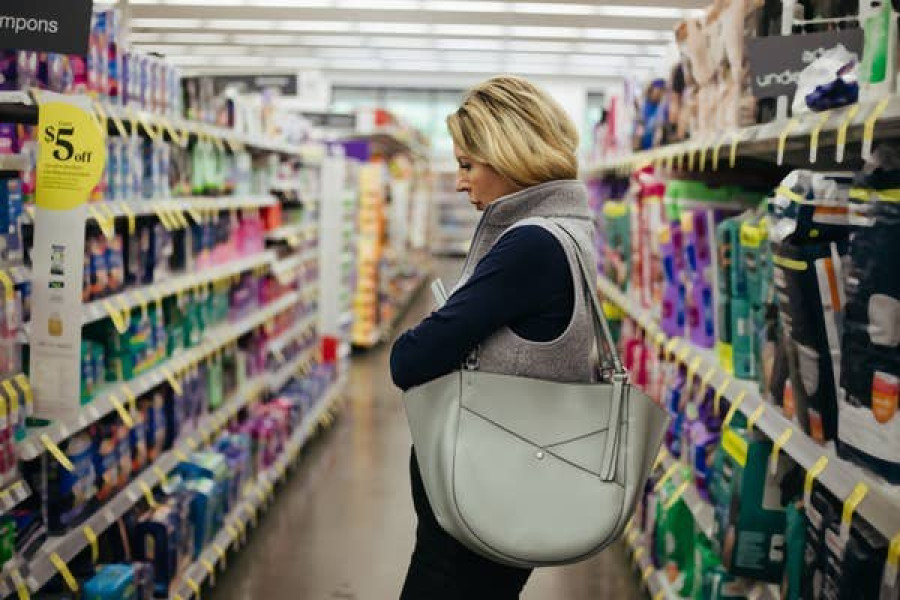
One person returned after just a year in the Middle East and was overwhelmed by the sheer number of choices in an American grocery store. Dozens of brands, endless flavors, multiple sizes, and an aisle that somehow contains 40 kinds of the same cracker. It was true 33 years ago, and apparently the situation has only become more intense.
America Gets One Thing Very Right
People love criticizing the United States, but one traveler admitted that American disability access is close to unmatched. After visiting France and seeing how little effort had been made to make many places accessible, they were genuinely shocked. Sometimes reverse culture shock is realizing your own country has quietly solved a problem others have ignored.
The Jaws Moment At The Drive-Thru
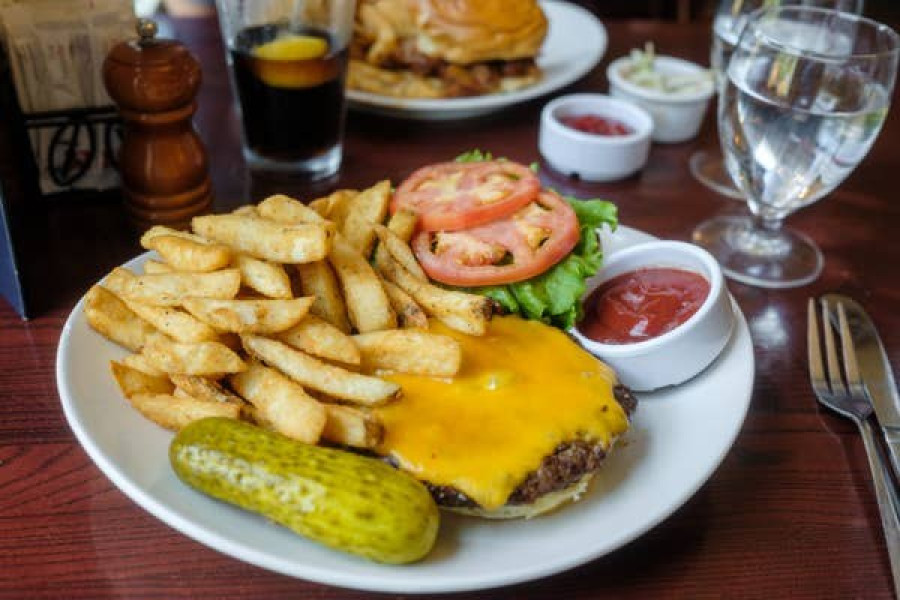
After a year in Thailand, one American had lost a ton of weight and felt “1000% better.” Then they returned home and confronted American food again. It was expensive, poor quality, and, in their words, basically poisonous. Their perception of the food felt like the famous Jaws scene where something enormous is suddenly approaching.
Facebook Is Apparently For Parents
One traveler noticed something funny when visiting other countries: everybody seemed to be on Facebook. In the United States, meanwhile, the only people they knew still using it were their parents. Everyone else had apparently moved on, leaving Facebook to family updates, birthday reminders, and somebody’s aunt sharing suspicious political memes.
Never Bring The Check In Mexico
In Mexico, taking the check to a table before diners ask for it is considered incredibly rude. It sends the message that the restaurant wants you gone. That makes American restaurants, especially Denny’s, feel almost aggressive to Mexican visitors when the bill arrives uninvited. In the US, it is routine. In Mexico, it can start a small diplomatic incident.
Rural China To American Speed Mode
After two years in rural China, one person came home and noticed Americans walking incredibly fast, grass that looked almost unnaturally green, and wheelchair users who were much more visible in daily life. They also missed haggling, disliked the food, and felt that American culture puts the individual ahead of the group. That is a lot to process before lunch.
Where Are The Free Places?
A traveler returning from Europe missed the public spaces where people could simply exist without paying. Europe had free gathering areas, youth centers, and places for older adults to spend time together. In the United States, too many spaces feel pay-to-play. Want to sit, socialize, or let kids hang out? Better bring your wallet.
Fresh Produce That Tastes Like A Memory
A Mexican American who grew up in Mexico said American produce often tastes bland by comparison. In Mexico, they could walk everywhere, buy fresh food on nearly every corner, and know their neighbors. Back in the US, driving was unavoidable, community felt thinner, and weight gain came easily. Their summary was brutal: food, isolation, and driving slowly add up until you feel heavy and miserable.
The Smartphone Takeover
One person left the country when smartphones were still new and expensive. When they came back, practically everyone had one, and finding a basic phone was nearly impossible. Imagine leaving during the flip-phone era and returning to a world where people cannot order coffee, cross a street, or sit through dinner without staring at a glowing rectangle.
Ice, Glorious Ice
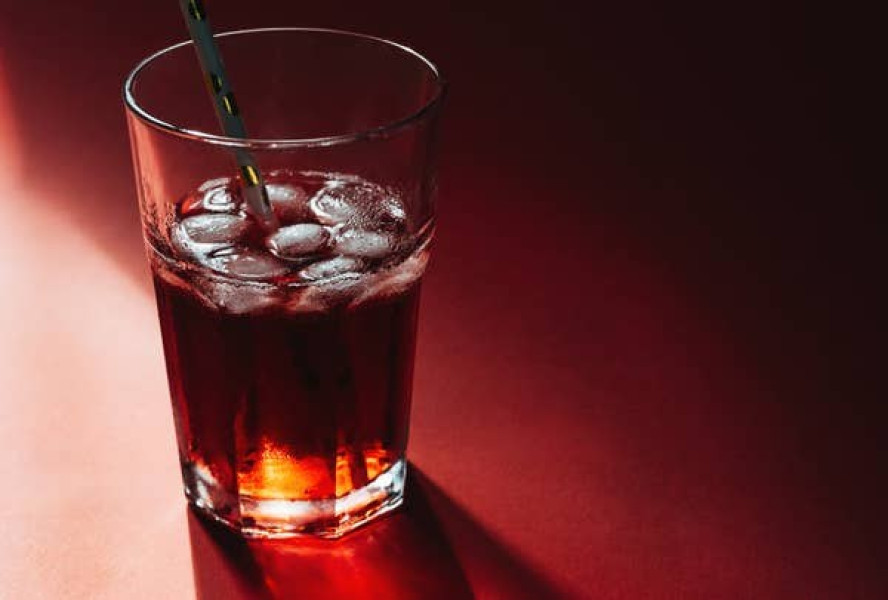
After living abroad, another traveler had to readjust to the American miracle of getting ice in every drink and being able to drink the water safely almost everywhere. It sounds tiny, but reverse culture shock loves tiny things. Sometimes home is not fireworks. Sometimes it is a cup packed with ice.
The Escalator Rules Are Serious
In the UK, people stand on the right side of an escalator so anyone in a hurry can pass on the left. Back in the US, that system seemed to vanish. Public transportation was louder, people made eye contact, music played without headphones, and strangers behaved as though they were starring in their own show. “Main character syndrome” was the verdict.
Portions, Obesity, And Healthcare
Returning from Asia, one person was shocked by American obesity, enormous restaurant servings, and poor food quality. Then came the healthcare system, which they called greedy and terrible even with “great insurance.” The fact that excellent insurance can still leave people stunned says more than any medical brochure ever could.
All The Stuff, None Of The Community
Another returnee noticed a lack of community, too many separate social bubbles, and an almost comical amount of unnecessary stuff. They also realized that washers, dryers, and dishwashers are luxuries in many places but everyday assumptions in the US. We may not have enough free public spaces, but we have three appliances for dealing with laundry and dishes.
Drive-Thrus Empty The Streets
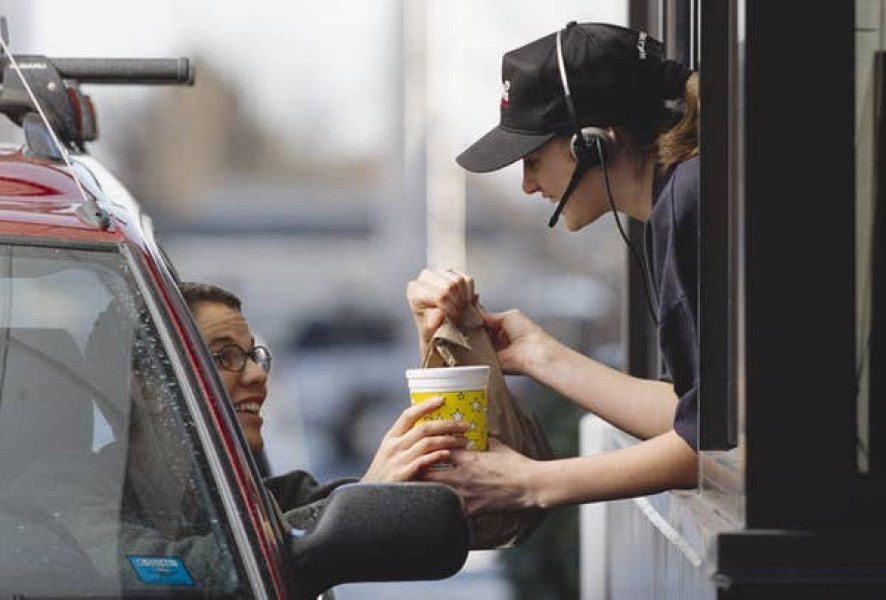
Two observations arrived together: drive-thru restaurants are everywhere, and there are barely any people walking around. Everyone is inside a car, moving from one parking lot to another. The drive-thru is convenient, sure, but it also helps explain why American streets can feel strangely deserted even in busy areas.
The Twenty Percent Toll
One thing nobody missed abroad was American tipping culture. In the United States, a tip is expected at restaurants, salons, coffee shops, delivery counters, and increasingly anywhere a screen can be turned toward you. The expectation is often 20%, which means every purchase now comes with a small math exam and a guilt trip.
Nice Enough, But Not Together
Another traveler felt Americans were mean and self-absorbed, with separation visible both physically and culturally. People keep to themselves, communities do not blend easily, and the “melting pot” can feel more like several cultures sharing a building without ever meeting in the hallway.
Commercials For Every Disaster
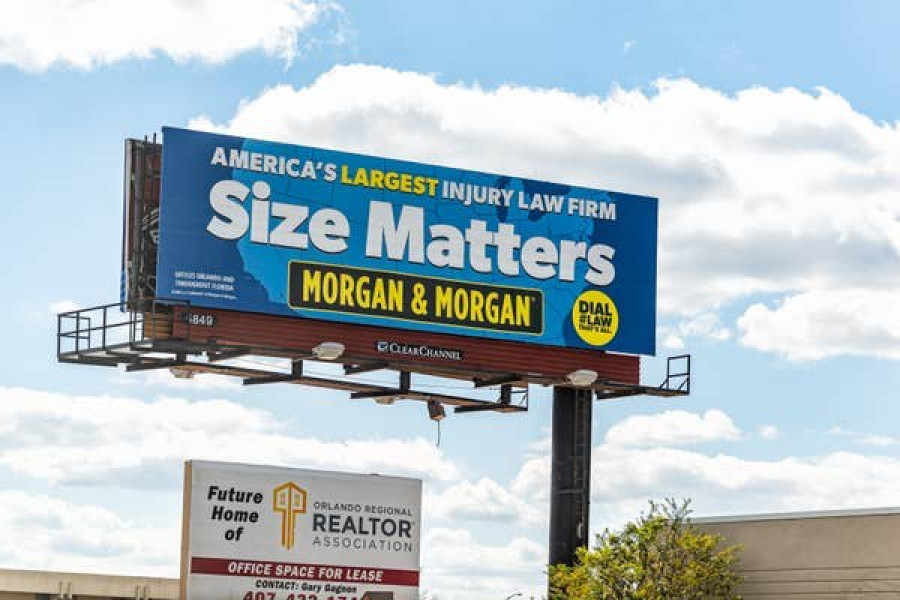
After 25 years away, one American returned to television and noticed prescription drug commercials, car insurance commercials, and billboards covered in attorneys promising help after a crash. Yet they also thought ordinary Americans seemed friendlier than before. They had lived in Germany, Kazakhstan, the UAE, Tunisia, Ethiopia, and Ghana, and said Americans abroad had become the nicest Western tourists they encountered.
Half The Meal Is Plenty
Someone who spent 13 years in Europe returned healthy, active, and used to smaller portions. Soda and sugary food tasted overwhelmingly sweet, so they still eat only half a restaurant meal and save the rest. Eight years back in America, they continue exercising almost daily. The leftovers are apparently doing more international travel than most people.
Why Is Everyone Yelling?
One returnee was stunned by how loudly Americans talk in public. People shout across stores, yell into phones, call to children from a distance, and play music on speakers while riding transit or walking trails. Elsewhere, getting someone’s attention might involve walking over to them. Here, apparently, the human voice is expected to cover 40 feet.
Chemicals And Sports Betting Everywhere
Another person came home alarmed by what they saw as the number of toxic chemicals allowed in food, cosmetics, shampoo, detergent, soap, and perfume. They were also shocked by legalized sports betting and how common gambling had become. The feeling was less “welcome home” and more “why is everyone wagering on the game while washing with this?”
American Humor Hits Differently
After time in Asia, one traveler found American humor surprisingly harsh. Jokes often target other people, while Southeast Asian humor felt more self-deprecating or based on the situation. In other words, Americans may tease you because they like you, but that explanation is not always obvious when you have just returned from somewhere gentler.
Beautiful Cities Versus Bulldozed Lots
Someone who lived in London and traveled through the Netherlands, Italy, Germany, and France returned disturbed by how unwalkable the US can be. They missed old buildings, thoughtful architecture, and places designed for people instead of cars. American work culture also felt overwhelming. Their conclusion was sharp: capitalism is not just the economy here; it often feels like the culture.
The Farmers Market Problem
In a small Dutch town, one traveler could walk or bike to street markets every Thursday and Saturday for fresh cheese, bread, meat, produce, and flowers. Back in Southern California, the nearest farmers market was 12 miles away, open only Saturday morning, and surrounded by a parking battle. Fresh food should not require tactical planning.
Where Did The Humor Go?
After 15 years in Thailand, one American thought people back home looked uptight and humorless. They had never encountered anyone constantly complaining or demanding a manager in Thailand, though they admitted such people must exist somewhere. They also noticed that the obesity problem seemed to have grown dramatically while they were gone.
Quiet Hours And Walkable Healthcare
After roughly 10 years in Germany, one person missed Sundays when almost everything closed, official quiet hours enforced by the Polizei, and walking to markets for weekly vegetables. Public transportation was easy, and a train station could take you almost anywhere. Doctor visits were more centralized too, with tests and diagnoses in one office and an apotheke nearby for prescriptions.
Which of these reverse culture shocks would hit you hardest: the tipping, the food, the noise, the endless driving, or the fact that a farmers market can be 12 miles away? Would you have felt relieved to be home, or immediately started planning your escape?
That is the strange thing about leaving the United States: you may miss home terribly, then return and immediately wonder who approved the giant portions, the endless driving, the 20% tip, and the Bluetooth speaker blasting on public transit. These Americans lived abroad, came back, and discovered that home can feel wildly unfamiliar.
The Grocery Store Panic
One person returned after just a year in the Middle East and was overwhelmed by the sheer number of choices in an American grocery store. Dozens of brands, endless flavors, multiple sizes, and an aisle that somehow contains 40 kinds of the same cracker. It was true 33 years ago, and apparently the situation has only become more intense.
America Gets One Thing Very Right
People love criticizing the United States, but one traveler admitted that American disability access is close to unmatched. After visiting France and seeing how little effort had been made to make many places accessible, they were genuinely shocked. Sometimes reverse culture shock is realizing your own country has quietly solved a problem others have ignored.
The Jaws Moment At The Drive-Thru
After a year in Thailand, one American had lost a ton of weight and felt “1000% better.” Then they returned home and confronted American food again. It was expensive, poor quality, and, in their words, basically poisonous. Their perception of the food felt like the famous Jaws scene where something enormous is suddenly approaching.
Facebook Is Apparently For Parents
One traveler noticed something funny when visiting other countries: everybody seemed to be on Facebook. In the United States, meanwhile, the only people they knew still using it were their parents. Everyone else had apparently moved on, leaving Facebook to family updates, birthday reminders, and somebody’s aunt sharing suspicious political memes.
Never Bring The Check In Mexico
In Mexico, taking the check to a table before diners ask for it is considered incredibly rude. It sends the message that the restaurant wants you gone. That makes American restaurants, especially Denny’s, feel almost aggressive to Mexican visitors when the bill arrives uninvited. In the US, it is routine. In Mexico, it can start a small diplomatic incident.
Rural China To American Speed Mode
After two years in rural China, one person came home and noticed Americans walking incredibly fast, grass that looked almost unnaturally green, and wheelchair users who were much more visible in daily life. They also missed haggling, disliked the food, and felt that American culture puts the individual ahead of the group. That is a lot to process before lunch.
Where Are The Free Places?
A traveler returning from Europe missed the public spaces where people could simply exist without paying. Europe had free gathering areas, youth centers, and places for older adults to spend time together. In the United States, too many spaces feel pay-to-play. Want to sit, socialize, or let kids hang out? Better bring your wallet.
Fresh Produce That Tastes Like A Memory
A Mexican American who grew up in Mexico said American produce often tastes bland by comparison. In Mexico, they could walk everywhere, buy fresh food on nearly every corner, and know their neighbors. Back in the US, driving was unavoidable, community felt thinner, and weight gain came easily. Their summary was brutal: food, isolation, and driving slowly add up until you feel heavy and miserable.
The Smartphone Takeover
One person left the country when smartphones were still new and expensive. When they came back, practically everyone had one, and finding a basic phone was nearly impossible. Imagine leaving during the flip-phone era and returning to a world where people cannot order coffee, cross a street, or sit through dinner without staring at a glowing rectangle.
Ice, Glorious Ice
After living abroad, another traveler had to readjust to the American miracle of getting ice in every drink and being able to drink the water safely almost everywhere. It sounds tiny, but reverse culture shock loves tiny things. Sometimes home is not fireworks. Sometimes it is a cup packed with ice.
The Escalator Rules Are Serious
In the UK, people stand on the right side of an escalator so anyone in a hurry can pass on the left. Back in the US, that system seemed to vanish. Public transportation was louder, people made eye contact, music played without headphones, and strangers behaved as though they were starring in their own show. “Main character syndrome” was the verdict.
Portions, Obesity, And Healthcare
Returning from Asia, one person was shocked by American obesity, enormous restaurant servings, and poor food quality. Then came the healthcare system, which they called greedy and terrible even with “great insurance.” The fact that excellent insurance can still leave people stunned says more than any medical brochure ever could.
All The Stuff, None Of The Community
Another returnee noticed a lack of community, too many separate social bubbles, and an almost comical amount of unnecessary stuff. They also realized that washers, dryers, and dishwashers are luxuries in many places but everyday assumptions in the US. We may not have enough free public spaces, but we have three appliances for dealing with laundry and dishes.
Drive-Thrus Empty The Streets
Two observations arrived together: drive-thru restaurants are everywhere, and there are barely any people walking around. Everyone is inside a car, moving from one parking lot to another. The drive-thru is convenient, sure, but it also helps explain why American streets can feel strangely deserted even in busy areas.
The Twenty Percent Toll
One thing nobody missed abroad was American tipping culture. In the United States, a tip is expected at restaurants, salons, coffee shops, delivery counters, and increasingly anywhere a screen can be turned toward you. The expectation is often 20%, which means every purchase now comes with a small math exam and a guilt trip.
Nice Enough, But Not Together
Another traveler felt Americans were mean and self-absorbed, with separation visible both physically and culturally. People keep to themselves, communities do not blend easily, and the “melting pot” can feel more like several cultures sharing a building without ever meeting in the hallway.
Commercials For Every Disaster
After 25 years away, one American returned to television and noticed prescription drug commercials, car insurance commercials, and billboards covered in attorneys promising help after a crash. Yet they also thought ordinary Americans seemed friendlier than before. They had lived in Germany, Kazakhstan, the UAE, Tunisia, Ethiopia, and Ghana, and said Americans abroad had become the nicest Western tourists they encountered.
Half The Meal Is Plenty
Someone who spent 13 years in Europe returned healthy, active, and used to smaller portions. Soda and sugary food tasted overwhelmingly sweet, so they still eat only half a restaurant meal and save the rest. Eight years back in America, they continue exercising almost daily. The leftovers are apparently doing more international travel than most people.
Why Is Everyone Yelling?
One returnee was stunned by how loudly Americans talk in public. People shout across stores, yell into phones, call to children from a distance, and play music on speakers while riding transit or walking trails. Elsewhere, getting someone’s attention might involve walking over to them. Here, apparently, the human voice is expected to cover 40 feet.
Chemicals And Sports Betting Everywhere
Another person came home alarmed by what they saw as the number of toxic chemicals allowed in food, cosmetics, shampoo, detergent, soap, and perfume. They were also shocked by legalized sports betting and how common gambling had become. The feeling was less “welcome home” and more “why is everyone wagering on the game while washing with this?”
American Humor Hits Differently
After time in Asia, one traveler found American humor surprisingly harsh. Jokes often target other people, while Southeast Asian humor felt more self-deprecating or based on the situation. In other words, Americans may tease you because they like you, but that explanation is not always obvious when you have just returned from somewhere gentler.
Beautiful Cities Versus Bulldozed Lots
Someone who lived in London and traveled through the Netherlands, Italy, Germany, and France returned disturbed by how unwalkable the US can be. They missed old buildings, thoughtful architecture, and places designed for people instead of cars. American work culture also felt overwhelming. Their conclusion was sharp: capitalism is not just the economy here; it often feels like the culture.
The Farmers Market Problem
In a small Dutch town, one traveler could walk or bike to street markets every Thursday and Saturday for fresh cheese, bread, meat, produce, and flowers. Back in Southern California, the nearest farmers market was 12 miles away, open only Saturday morning, and surrounded by a parking battle. Fresh food should not require tactical planning.
Where Did The Humor Go?
After 15 years in Thailand, one American thought people back home looked uptight and humorless. They had never encountered anyone constantly complaining or demanding a manager in Thailand, though they admitted such people must exist somewhere. They also noticed that the obesity problem seemed to have grown dramatically while they were gone.
Quiet Hours And Walkable Healthcare
After roughly 10 years in Germany, one person missed Sundays when almost everything closed, official quiet hours enforced by the Polizei, and walking to markets for weekly vegetables. Public transportation was easy, and a train station could take you almost anywhere. Doctor visits were more centralized too, with tests and diagnoses in one office and an apotheke nearby for prescriptions.
Which of these reverse culture shocks would hit you hardest: the tipping, the food, the noise, the endless driving, or the fact that a farmers market can be 12 miles away? Would you have felt relieved to be home, or immediately started planning your escape?