
The Open Road Feels Different Without a Screen
When a Car Becomes a Control Panel
Many cars now offer far more than basic driving controls. In some electric cars, a large dashboard screen can handle everything from vehicle settings to games and streaming video. Drivers may use it to adjust automatic lights, open the trunk, or choose other features. There are many options, and not all of them have much to do with getting down the road.
More carmakers are adding technology like this. The extra tools can be useful, but they can also change what it feels like to drive. When screens, alerts, and menus take up more attention, the simple pleasure of being behind the wheel can get lost.
A Long Drive in an Old Truck
I once drove from Houston to High Point, North Carolina, for an internship. The trip took about 18 hours, making it the longest drive I had ever done. I made the journey in an old Ford Ranger that needed a fair amount of effort to speed up.
Before setting out, I worried about spending so many hours on the road. But as I traveled through the South, the drive became something I enjoyed. I passed through seven states and had time to notice the land and the sights along the way.
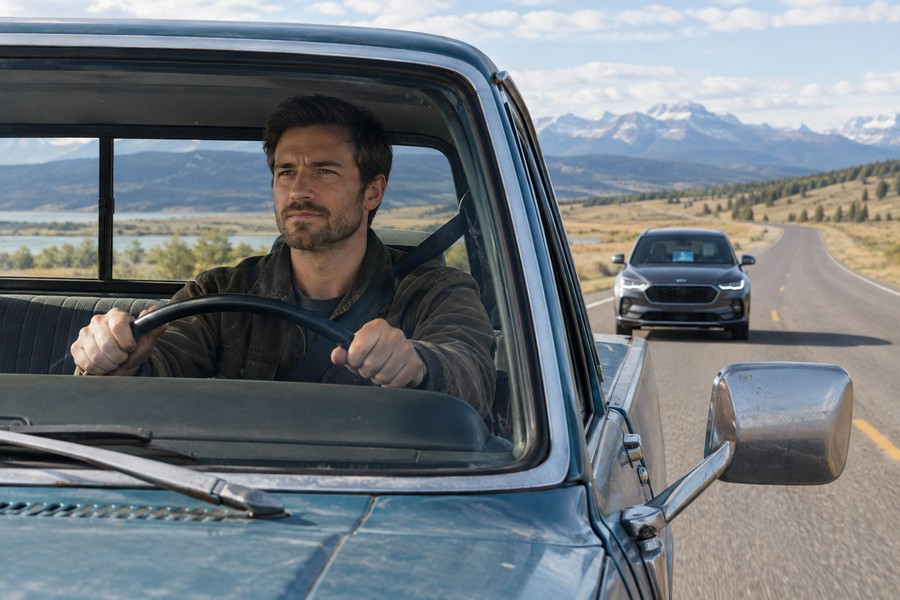
The truck did not have a large screen in front of me. I could focus on driving, listen to music, and look at the open road. There was no bright phone display demanding my attention and no stream of alerts pulling me away from the trip.
That quiet made the journey feel almost pure. I was simply driving. Even though the region is not usually thought of as one of the country’s most beautiful areas, traveling through it without constant digital distractions helped me appreciate what I saw.
Why Road Trips Stay With Us
A road trip can become one of the most memorable ways to travel. It might last only a short time or stretch across the country, but the experience can stay with someone for years. A passing view may create a strong wish to return. A small moment on the road can turn into a story people tell long after the trip is over.
Those memories are part of what makes driving enjoyable. A person does not need to hurry from one stop to the next. There is time to notice the scenery, enjoy the music, and take in the feeling of moving through a place. The drive itself becomes part of the trip, not just a way to reach the destination.
That kind of experience can also shape how people choose to travel and which vehicle they want to own. For many drivers, the appeal of a road trip comes from having the freedom to focus on the journey. More technology does not always make that experience better.
When Helpful Features Become Distractions
Some vehicle alerts are meant to help keep people safe. But frequent beeps can add noise and make it harder to tell which warnings need attention. A driver may also have to move through several screen menus just to change the air conditioning.
These small tasks can draw a person’s eyes and thoughts away from the road. That matters because driving requires attention. A driver needs to notice what is ahead and respond to what is happening around the vehicle.
The cost is not only about safety. Even when a screen or alert does not create a dangerous situation, it can make the driver less present. Instead of experiencing the road, the person may be thinking about a menu, a notification, or a setting.
Making Room for the Drive
Technology can add useful choices to a car, but every new feature also competes for attention. The long journey in the old truck was memorable in part because there was little between me and the road. I had music, the changing views, and the time to take it all in.
Driving does not have to be packed with screens and signals to be enjoyable. Sometimes the best part is having fewer things to manage and more time to notice where the road leads.