
Some people can turn a perfectly normal moment into a reason to dislike them before you’ve even finished your sentence. And no, we’re not talking about crimes or grand betrayals. We’re talking about the tiny habits that make strangers silently hope they won’t be stuck beside you for long.
From conversation hijackers to people who treat a parking lot like their personal storage space, these are the everyday irritations that got under people’s skin. A few might even make you recognize yourself. Sorry in advance.
1. The conversation topper
You mention a long flight; they once crossed an ocean in a canoe. You had a rough week; somehow theirs was rougher, longer, and involved more paperwork. These are the “toppers”: people who can’t let your story land before they’ve brought out a bigger one.
Sharing a similar experience can be a way to connect. The trouble starts when every conversation becomes a competition, and one person is determined to win the Olympics of Having Had It Worse.
2. The oblivious walker
Stopping to check something isn’t a crime. Stopping dead in a busy airport, blocking the grocery aisle, or standing so close that someone has to reconsider their relationship with personal space is another matter.
We all get distracted sometimes. But a crowded walkway isn’t your private living room, and everyone behind you shouldn’t have to complete an obstacle course just to get through it.
3. The interrupter
Some people don’t just cut you off mid-sentence; they do it as if their opinion is the only one that matters. Nothing says “I value this conversation” quite like refusing to let the other person finish theirs.
People interrupt for all sorts of reasons: excitement, impatience, or fear their thought will disappear. But when it happens constantly, talking starts to feel like waiting for one person to take a breath.

4. The open-mouth chewer
One commenter said loud chewing genuinely makes them angry, specifically calling out people who chew with their mouths open and smack their lips. That’s a very specific dining-room soundscape, and not one most people are eager to subscribe to.
Eating is normal. Broadcasting every bite is a choice, or at least a habit worth noticing. Some people hear lunch; other people hear a personal attack.
5. The public speakerphone user
Having a speakerphone conversation in public was enough to earn one commenter’s instant disapproval. The issue isn’t phone calls; it’s turning a private conversation into a group event for everyone in line, on public transit, or trying to enjoy a quiet moment.
The stranger nearby did not agree to be the third person on the call. They probably don’t need the details of your appointment or your dinner debate, either.
6. The assumption maker
Some people decide what’s true before asking a question. They hear half a story, fill in the rest, then speak as though their guess came with a signed affidavit.
Asking what actually happened can take less time than confidently getting it wrong. It also gives the other person a chance to explain, which is useful if the goal is understanding rather than winning an imaginary argument.
7. The personal-story hijacker
You share something personal, and the other person immediately makes it about themselves. You say you’re worried about a family situation, and suddenly you’re comforting them about theirs.
Relating through a similar experience can be kind. Taking over before the first person has finished is something else. Sometimes the best response isn’t a better story. It’s listening long enough for the other person to finish theirs.

8. The two-faced sweet talker
One commenter described someone who acts sweet while a person is present, then tears them apart as soon as they leave. The switch can make you wonder what they say about you once you’re out of the room.
People vent; that doesn’t make every private complaint a betrayal. But if friendliness feels like a costume and cruelty like the real personality, trust starts looking like a bad investment.
9. The clothes critic
Judging other people’s clothes isn’t dangerous or particularly creative. It is, however, a reliable way to make someone wonder why a stranger thinks they’ve been hired as the fashion police.
People dress for comfort, work, weather, taste, and plenty of reasons that aren’t anyone else’s business. If the outfit isn’t hurting you, keeping the review to yourself costs nothing.

10. The poorly behaved dog owner
The complaint wasn’t about dogs. It was about someone taking a poorly behaved dog everywhere. A dog can be delightful company, but “I brought my dog” doesn’t make every shop, gathering, or shared space dog-friendly.
Another commenter said they dislike people who don’t like animals. That’s a separate gripe, but it shows how quickly a preference can become a character judgment. Apparently, neutrality in the great dog debate is hard to come by.

11. The person who ignores you mid-conversation
You’re trying to talk, and the other person acts as though you’re not there. Maybe they’re distracted; maybe they don’t want to talk. Either way, being left to guess can make an ordinary interaction feel pointed.
Nobody owes every stranger a deep conversation. But a brief acknowledgment or a clear “Sorry, I can’t talk right now” is less confusing than staring through someone like they’re a very quiet lamp.
12. The litterer
One commenter named people who throw rubbish on the ground. It’s a small act with an oddly large message: someone has decided keeping the place clean is everyone else’s job.
A cup or wrapper by the road leaves a mess for someone else to deal with. The bin is often only a short walk away. The litterer, apparently, has other plans.

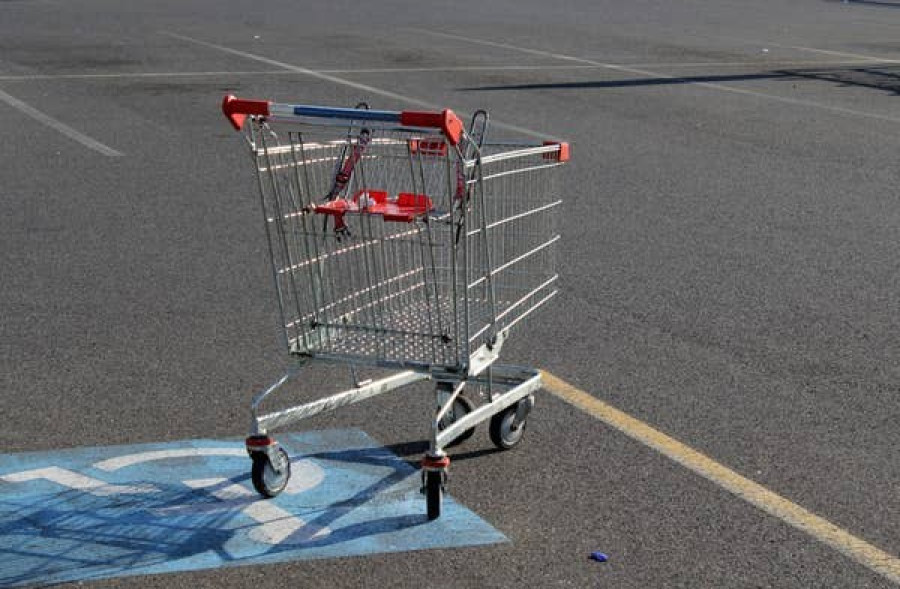
13. The shopping-cart abandoner
One commenter was bothered by people who don’t return their shopping carts. The problem isn’t that the cart exists; it’s leaving it wherever you finished with it, including in a parking space designated for disabled access.
Returning a cart takes a little effort, which is exactly why this habit gets under people’s skin. It’s a tiny test of whether the person who made the mess thinks anyone else should have to handle it.
14. The checked-out parent
One commenter dislikes adults who don’t watch their children at someone else’s house, especially when the kids are allowed to touch food set out at a buffet. Hosting already involves enough to keep track of; unsupervised buffet hands make for a memorable extra.
The complaint is about supervision, not children existing or having an appetite. Parents can enjoy a visit, too. But “someone else is hosting” doesn’t mean someone else has agreed to monitor every small guest.
15. The phone-focused companion
One commenter dislikes constant texting in two settings: trying to have a full conversation over text, and spending time with someone who keeps texting through the hangout. In both cases, the other person is technically present, though their attention may be visiting somewhere else.
Texts are useful. So is looking up to talk to the person sitting across from you. It’s hard to feel like someone’s company when their phone keeps getting the better seat.

16. The person who uses generative AI
One commenter said generative AI use, by itself, can make them dislike someone. The comment didn’t give a reason, so the source of the reaction is anyone’s guess: the tool, or what the person uses it for.
Unlike littering or interrupting, this one isn’t a shared-space irritation. It’s a blunt reminder that people can make a character judgment from a choice that seems ordinary to someone else. So, which everyday habit makes you dislike someone immediately, even if you know you might be petty about it?

From conversation hijackers to people who treat a parking lot like their personal storage space, these are the everyday irritations that got under people’s skin. A few might even make you recognize yourself. Sorry in advance.
1. The conversation topper
You mention a long flight; they once crossed an ocean in a canoe. You had a rough week; somehow theirs was rougher, longer, and involved more paperwork. These are the “toppers”: people who can’t let your story land before they’ve brought out a bigger one.
Sharing a similar experience can be a way to connect. The trouble starts when every conversation becomes a competition, and one person is determined to win the Olympics of Having Had It Worse.
2. The oblivious walker
Stopping to check something isn’t a crime. Stopping dead in a busy airport, blocking the grocery aisle, or standing so close that someone has to reconsider their relationship with personal space is another matter.
We all get distracted sometimes. But a crowded walkway isn’t your private living room, and everyone behind you shouldn’t have to complete an obstacle course just to get through it.
3. The interrupter
Some people don’t just cut you off mid-sentence; they do it as if their opinion is the only one that matters. Nothing says “I value this conversation” quite like refusing to let the other person finish theirs.
People interrupt for all sorts of reasons: excitement, impatience, or fear their thought will disappear. But when it happens constantly, talking starts to feel like waiting for one person to take a breath.
4. The open-mouth chewer
One commenter said loud chewing genuinely makes them angry, specifically calling out people who chew with their mouths open and smack their lips. That’s a very specific dining-room soundscape, and not one most people are eager to subscribe to.
Eating is normal. Broadcasting every bite is a choice, or at least a habit worth noticing. Some people hear lunch; other people hear a personal attack.
5. The public speakerphone user
Having a speakerphone conversation in public was enough to earn one commenter’s instant disapproval. The issue isn’t phone calls; it’s turning a private conversation into a group event for everyone in line, on public transit, or trying to enjoy a quiet moment.
The stranger nearby did not agree to be the third person on the call. They probably don’t need the details of your appointment or your dinner debate, either.
6. The assumption maker
Some people decide what’s true before asking a question. They hear half a story, fill in the rest, then speak as though their guess came with a signed affidavit.
Asking what actually happened can take less time than confidently getting it wrong. It also gives the other person a chance to explain, which is useful if the goal is understanding rather than winning an imaginary argument.
7. The personal-story hijacker
You share something personal, and the other person immediately makes it about themselves. You say you’re worried about a family situation, and suddenly you’re comforting them about theirs.
Relating through a similar experience can be kind. Taking over before the first person has finished is something else. Sometimes the best response isn’t a better story. It’s listening long enough for the other person to finish theirs.
8. The two-faced sweet talker
One commenter described someone who acts sweet while a person is present, then tears them apart as soon as they leave. The switch can make you wonder what they say about you once you’re out of the room.
People vent; that doesn’t make every private complaint a betrayal. But if friendliness feels like a costume and cruelty like the real personality, trust starts looking like a bad investment.
9. The clothes critic
Judging other people’s clothes isn’t dangerous or particularly creative. It is, however, a reliable way to make someone wonder why a stranger thinks they’ve been hired as the fashion police.
People dress for comfort, work, weather, taste, and plenty of reasons that aren’t anyone else’s business. If the outfit isn’t hurting you, keeping the review to yourself costs nothing.
10. The poorly behaved dog owner
The complaint wasn’t about dogs. It was about someone taking a poorly behaved dog everywhere. A dog can be delightful company, but “I brought my dog” doesn’t make every shop, gathering, or shared space dog-friendly.
Another commenter said they dislike people who don’t like animals. That’s a separate gripe, but it shows how quickly a preference can become a character judgment. Apparently, neutrality in the great dog debate is hard to come by.
11. The person who ignores you mid-conversation
You’re trying to talk, and the other person acts as though you’re not there. Maybe they’re distracted; maybe they don’t want to talk. Either way, being left to guess can make an ordinary interaction feel pointed.
Nobody owes every stranger a deep conversation. But a brief acknowledgment or a clear “Sorry, I can’t talk right now” is less confusing than staring through someone like they’re a very quiet lamp.
12. The litterer
One commenter named people who throw rubbish on the ground. It’s a small act with an oddly large message: someone has decided keeping the place clean is everyone else’s job.
A cup or wrapper by the road leaves a mess for someone else to deal with. The bin is often only a short walk away. The litterer, apparently, has other plans.
13. The shopping-cart abandoner
One commenter was bothered by people who don’t return their shopping carts. The problem isn’t that the cart exists; it’s leaving it wherever you finished with it, including in a parking space designated for disabled access.
Returning a cart takes a little effort, which is exactly why this habit gets under people’s skin. It’s a tiny test of whether the person who made the mess thinks anyone else should have to handle it.
14. The checked-out parent
One commenter dislikes adults who don’t watch their children at someone else’s house, especially when the kids are allowed to touch food set out at a buffet. Hosting already involves enough to keep track of; unsupervised buffet hands make for a memorable extra.
The complaint is about supervision, not children existing or having an appetite. Parents can enjoy a visit, too. But “someone else is hosting” doesn’t mean someone else has agreed to monitor every small guest.
15. The phone-focused companion
One commenter dislikes constant texting in two settings: trying to have a full conversation over text, and spending time with someone who keeps texting through the hangout. In both cases, the other person is technically present, though their attention may be visiting somewhere else.
Texts are useful. So is looking up to talk to the person sitting across from you. It’s hard to feel like someone’s company when their phone keeps getting the better seat.
16. The person who uses generative AI
One commenter said generative AI use, by itself, can make them dislike someone. The comment didn’t give a reason, so the source of the reaction is anyone’s guess: the tool, or what the person uses it for.
Unlike littering or interrupting, this one isn’t a shared-space irritation. It’s a blunt reminder that people can make a character judgment from a choice that seems ordinary to someone else. So, which everyday habit makes you dislike someone immediately, even if you know you might be petty about it?